Pre-inspection walkthroughs
A top-to-bottom walk of the operation before the health inspector's visit, with a prioritized list of what to correct.
Food safety consulting & inspection preparation
Pre-inspection walkthroughs, food-safety assessments, SOPs and practical operational support for restaurants and commercial kitchens in Bucks County, Pennsylvania and surrounding areas. Done by someone who has been on the other side of the clipboard.
The approach
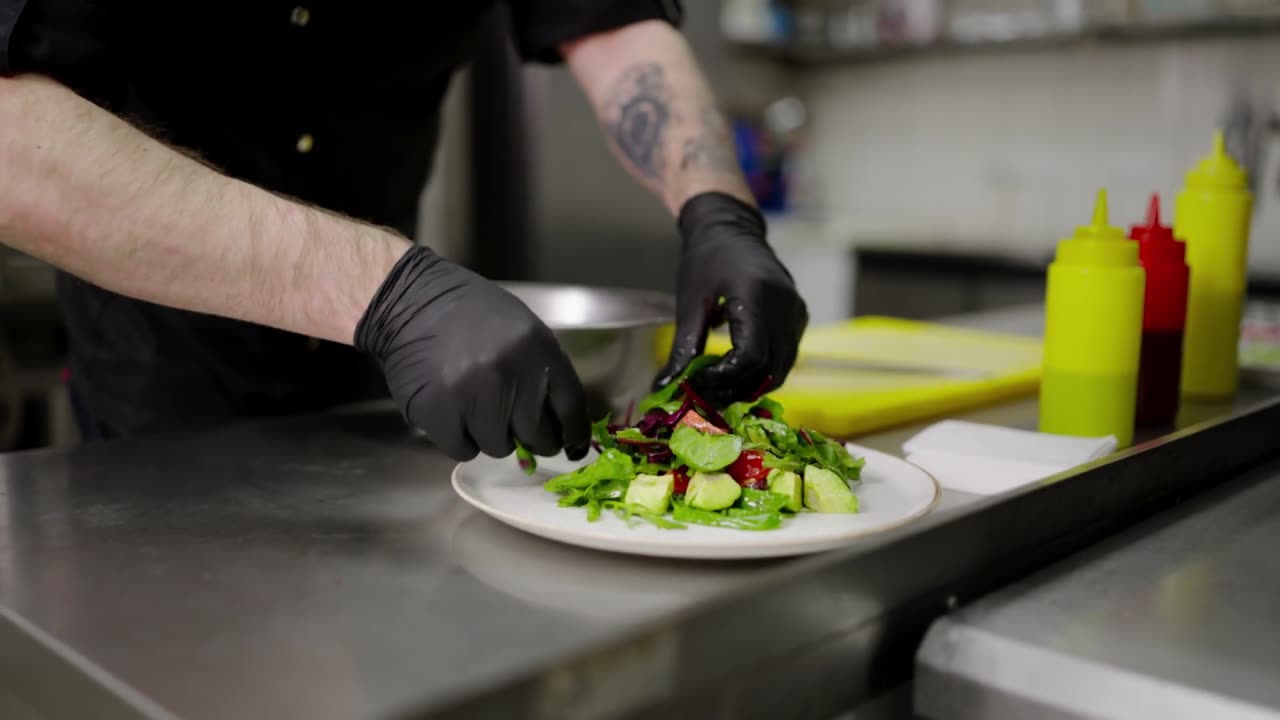
Inspectors do not find problems at random. They find the same things in kitchen after kitchen: product out of temperature, missing dates, cross-contamination in storage, sanitizer that is not at concentration, hand sinks being used for something else, logs that are blank or too perfect.
Jim owned and operated a restaurant. He has prepared for inspections and lived with the results. A Culinary Standard walkthrough is not a lecture and it is not an audit for its own sake. It is a working operator looking at your operation with fresh eyes, telling you what an inspector will see and helping you fix it in an order that makes sense.
What's covered
Engagements are scoped to what your operation needs. These are the areas Culinary Standard works in.
A top-to-bottom walk of the operation before the health inspector's visit, with a prioritized list of what to correct.
A broader review of how food moves through your kitchen and where the risk actually sits, for new operations or ones that have grown.
Cooking, cooling, holding, reheating and thawing practices, thermometer use and the logs that prove it.
What gets checked at the back door, how the walk-in and dry storage are organized and whether dating and rotation hold up on a busy night.
Warewashing, sanitizer testing, cleaning schedules and the difference between what is on the schedule and what is happening.
Hand washing, glove use, illness policy, allergen handling and the habits staff pick up from each other.
Who checks what, when, and what happens when something is wrong. Building the routines a certified manager is expected to run.
Temperature, cooling, receiving and cleaning records that are simple enough to keep and useful enough to matter.
Standard operating procedures written for your kitchen, and clear corrective-action recommendations after a walkthrough or an inspection.
A walkthrough, step by step
Your menu, your volume, your last inspection and what is worrying you.
Receiving, storage, prep, line, holding, warewashing, hand sinks, restrooms, chemical storage and the paperwork, in the order an inspector would take.
Product is checked, sanitizer is tested and staff are observed doing real work, not performing for a visitor.
What to fix today, what to fix this week and what to build into the routine, in plain language your managers can act on.
SOPs, logs, follow-up visits or training for the team, scoped and priced separately so you only take what you need.
Who asks for this
Questions
What operators want to know before they ask for a walkthrough.
Jim walks your operation the way an inspector would, from the receiving door through storage, prep, the cook line, warewashing and the manager's paperwork. He checks temperatures, looks at how product is labeled and stored, watches how employees actually work and reviews your logs. You get a plain-language summary of what he found, what matters most and what to fix first.
Yes. Inspection preparation is a practical review of the things inspectors consistently look for, done before they arrive, so your team can correct problems on your timeline instead of theirs. Culinary Standard is not affiliated with any health department and cannot guarantee an inspection outcome, but a kitchen that has been walked honestly is far better prepared than one that has not.
Yes. Cooking, cooling, cold holding, hot holding, reheating and thawing are reviewed against what your equipment and your menu actually require. That includes thermometer availability and calibration, where product is being held, how cooling is being done and whether the logs reflect reality.
Yes. Standard operating procedures, temperature and cooling logs, receiving checklists and cleaning schedules can be written or revised so they fit your kitchen and get used. The goal is a short document a new hire can follow on their second day, not a binder that lives in the office.
That is the core of the work. Most risk in a kitchen is not a single dramatic failure; it is a handful of habits that have quietly become normal. Jim has run a kitchen and knows where those habits hide: the reach-in that is always overpacked, the prep cook who rinses the cutting board instead of sanitizing it, the cooling log that gets filled in from memory.
Either. Some operations want a single pre-inspection walkthrough. Others want a periodic visit, help with SOPs and logs, and someone to call when a question comes up. Scope and pricing are agreed before any work starts.
Next step
Request a pre-inspection walkthrough or a food-safety assessment. Jim will follow up to scope it with you.