Rules are easy. Habits are hard.
Everyone knows food should cool quickly. The question is what actually happens to the stockpot at the end of a double. Training that ignores the habit is not training.

About Jim · Founder, Culinary Standard
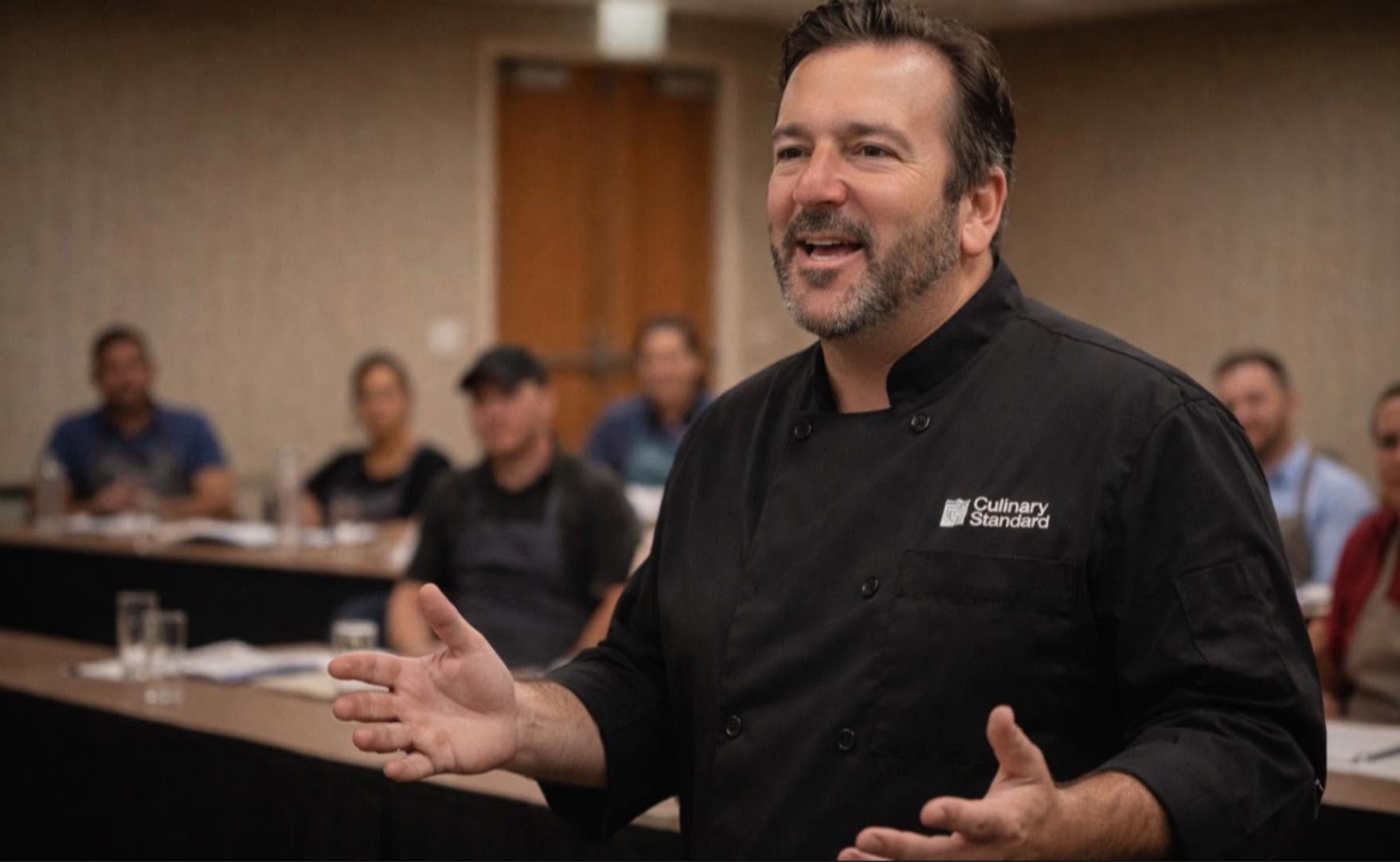
Jim Murray owned and operated TRE Fratelli, a high-volume, full-service restaurant in Langhorne, Pennsylvania, for 28 years before founding Culinary Standard. A National Restaurant Association ServSafe certified Instructor and Proctor, he has trained and certified more than 1,000 business owners and staff, and he teaches food safety the way it has to work during a real shift.
The short version
Owning a restaurant means being accountable for everything that happens in it: the delivery that arrives warm, the cook who skips the hand sink, the cooling log that did not get filled in, the inspector who notices all three.
Jim carried that accountability for 28 years as the owner-operator of TRE Fratelli in Langhorne, a high-volume, full-service restaurant with more than $2 million in annual sales and a staff of 25 or more. He started in the industry as a kitchen manager at Isaac Newton's in Newtown in 1992, and he has now spent more than 25 years running food-service businesses.
At TRE Fratelli he was hands-on with every part of the operation: hiring, training and scheduling the team; purchasing and negotiating with vendors; inventory and cost control; quality control and food safety; customer service; and the financial performance of the business, from the profit-and-loss statement to the payroll. He interfaced directly with Board of Health inspectors to keep the restaurant in full compliance and licensed, and he kept it that way through 28 years of inspections.
Since 2014 he has put that experience to work as Culinary Standard. As a National Restaurant Association ServSafe certified Instructor and Proctor, he has trained and certified more than 1,000 business owners, managers and staff across Bucks County and the surrounding region.
That is what makes Culinary Standard different. Jim is not reading food safety out of a manual. He has signed the paychecks, taken the deliveries, answered to the inspector and paid the price when something slipped. Every class and every walkthrough is built on what actually holds up in a working kitchen.
Hands-on responsibility
What running a restaurant teaches you
Everyone knows food should cool quickly. The question is what actually happens to the stockpot at the end of a double. Training that ignores the habit is not training.
Food safety spreads through a kitchen by example. If the person showing a new cook the station takes shortcuts, the shortcuts become the standard.
Inspectors look for the same things every time. An operator who walks the kitchen the way they do is rarely surprised.
A certified manager is the person who is accountable. The certificate is the start of that responsibility, not the end of it.
How Jim teaches
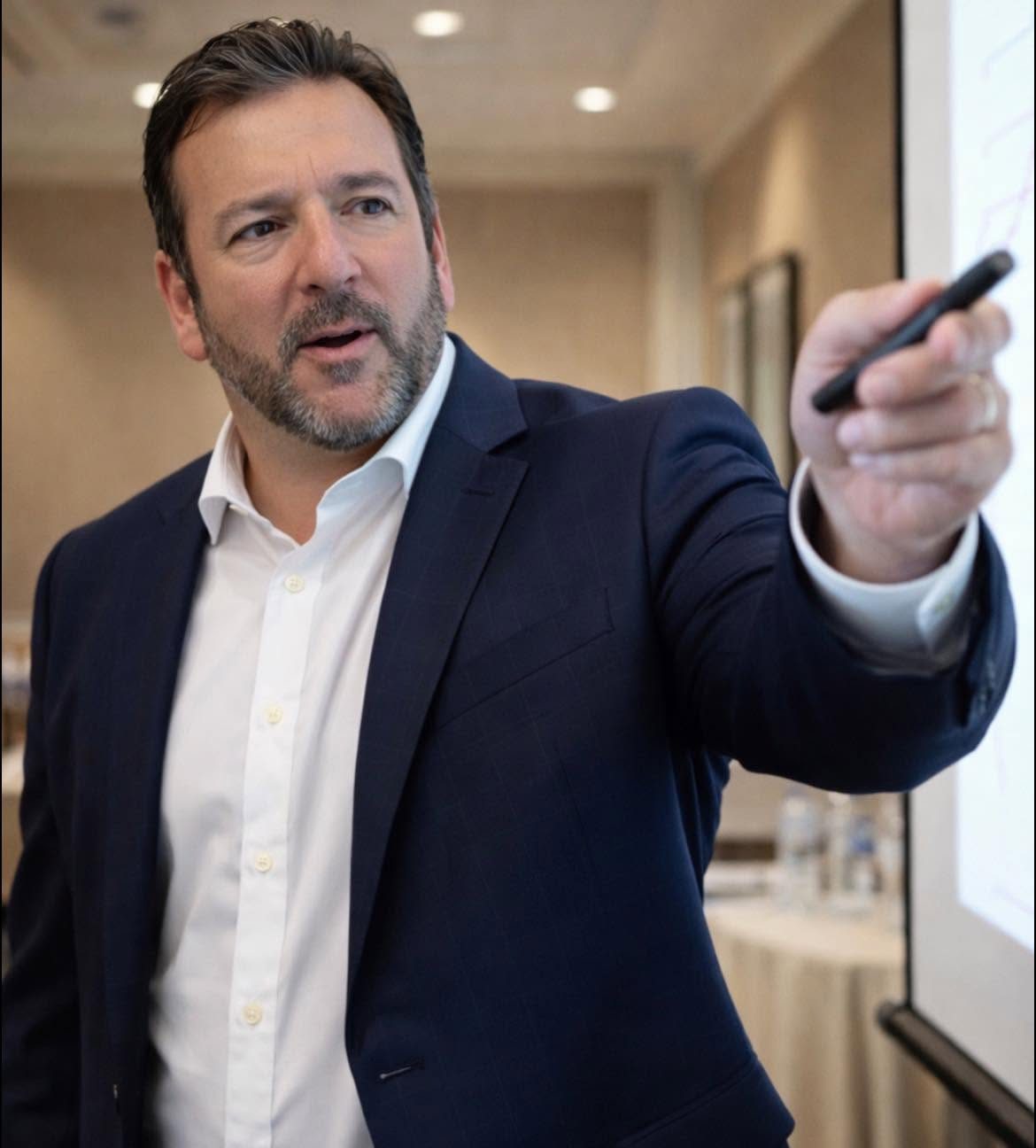
The ServSafe Manager material is covered in full. The difference is how it lands.
Background
Testimonials
Jim Murray is the founder of Culinary Standard and a National Restaurant Association ServSafe certified Instructor and Proctor. He owned and operated TRE Fratelli, a high-volume, full-service restaurant in Langhorne, Pennsylvania, for 28 years, and has more than 25 years of business ownership and food-service experience. Since 2014 he has trained and certified more than 1,000 business owners and staff across Bucks County and the surrounding region.
After selling the restaurant, Jim started Culinary Standard to put what he learned running a kitchen to work for other operators. Too much food-safety training is delivered by people who have never had to apply it on a busy night. Culinary Standard exists so managers can learn from someone who has.
It means the person teaching has owned the problem, not just studied it. Jim has taken the deliveries, trained the new hires, walked the line during service, kept the logs and answered to the inspector. Every principle in the class is taught alongside what it looks like when it goes right and wrong in a real operation.
It changes the examples, the emphasis and the credibility. Cooling is taught with a real hotel pan and a real clock. Management accountability is taught by someone who has had to answer for a blank log. Participants tend to remember what they can picture, and Jim can picture all of it.
Yes. Use the contact form or the phone and email listed on the Contact page. If you are not sure whether a public class, a private class or a walkthrough is the right fit, ask; you will get a straight recommendation.
Next step
Register for a class with Jim, bring him to your team or ask him to walk your kitchen.